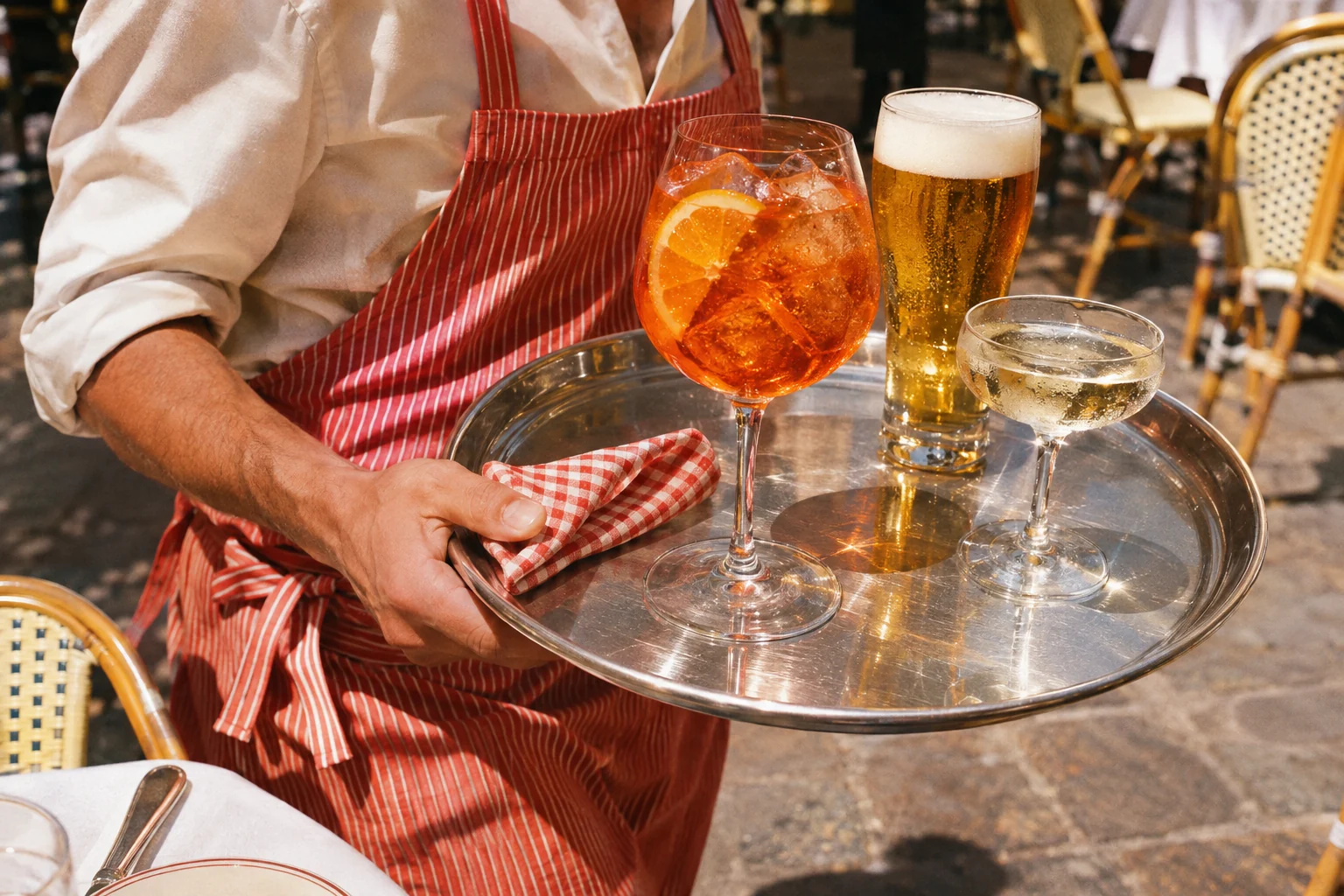
A list worth ordering twice.
Give each drink a role, then taste the list as a guest would.
Read the storyWe bring the people who make drinks together with the bars, restaurants and retailers choosing what to pour across North America.
Practical reading for the people choosing the next pour.
Give each drink a role, then taste the list as a guest would.
Read the story
What a buyer needs on the desk beside the sample.
Read the story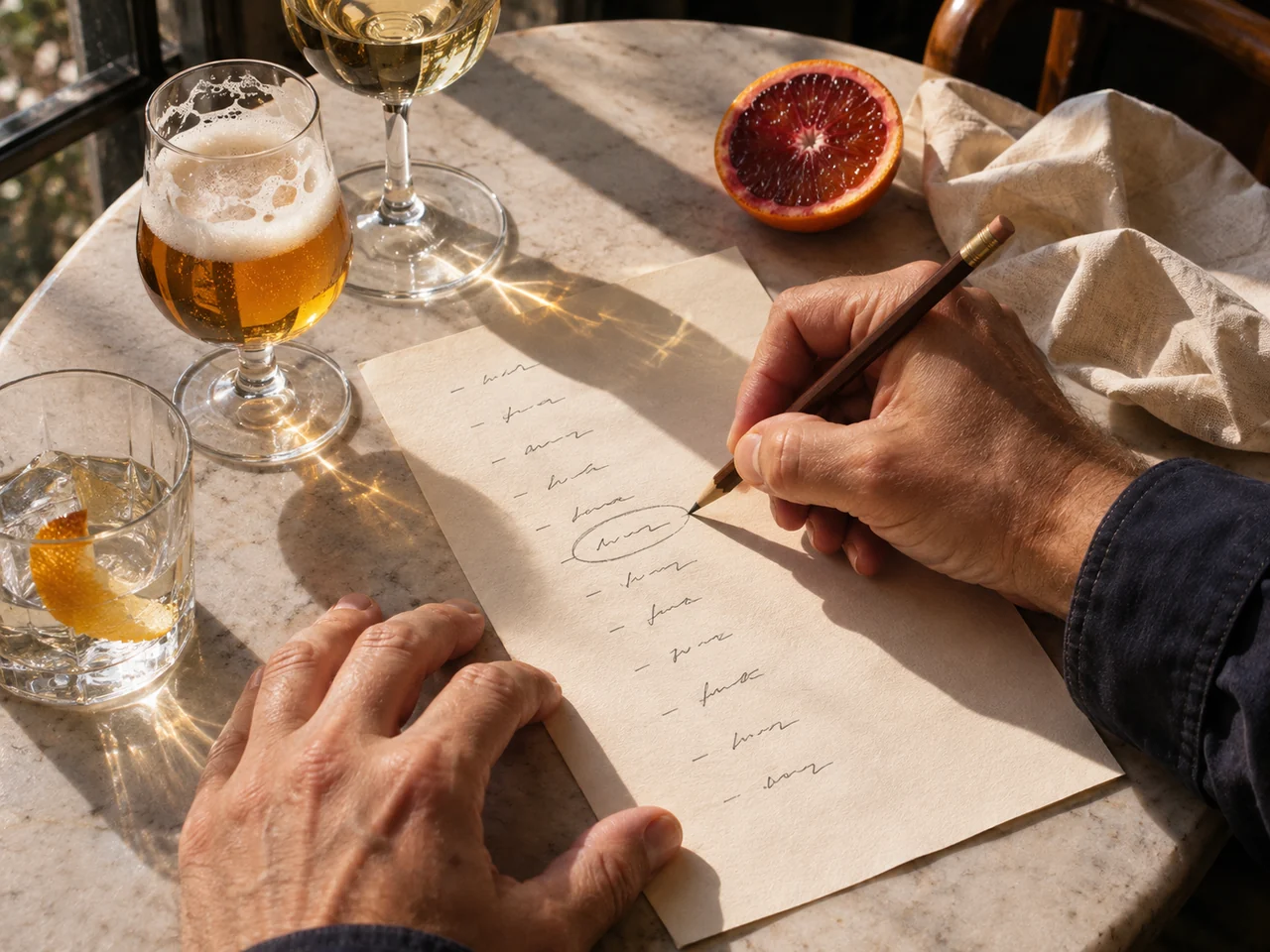
How service speed, storage and glassware change a buying decision.
Read the storyOpen a story and select “Save story” to keep it here.
Lay the drinks list beside the food menu. Pick the first three occasions you actually see in the room. It might be a quick glass with oysters, something for the middle of a meal, and a final pour shared over dessert. Write those occasions down before reaching for a price sheet.
For the first slot, a dry cider with a tart finish might serve a guest who usually orders sparkling wine. For the second, taste a malt-led lager alongside the richer dish that sells most often. A smaller measure of an aged spirit could close the meal. These are working ideas. The kitchen, glass size and pace of your room will decide which ones survive.
Pour the measure you intend to sell, in the actual glass, at its usual serving temperature. Ask one member of the floor team to describe the drink to a colleague in a single sentence. “Dry apple, gentle tannin, good with the pork” gives a guest more to work with than a list of production facts.
Keep one line of notes after each shift. Which glass needed a long explanation? Which dish sent a guest back for a second pour? When the next sample arrives, compare it with the drink that already has that job. That makes the buying decision specific enough to discuss with your supplier. It also gives your team a simple way to explain why the new drink earned its place.
A sample can start a conversation. The sheet beside it has a different job. A buyer may need to pass the decision to a bar manager, a retail colleague or the person responsible for ordering. Write the page for that second reader, who hasn’t heard your introduction.
Give the product name, category, place of production and alcohol by volume. Add one sentence describing the flavour and the serve you have in mind. A dry cider proposed for a restaurant could name a dish. The same cider proposed for a shop could name the pack and the shelf occasion. Choose the version that fits the meeting.
State the container size, units per case and lead time you can currently support. If you include pricing, name the currency, unit and terms so a buyer can tell what the number covers. Separate current stock from future production. Where a detail still needs confirmation, give a contact and a date for an answer.
Use one clear image of the pack a buyer would receive. Then hand the page to someone outside your sales team. Ask them which venue they would approach, what they would order and whom they would call. Any question they cannot answer tells you exactly what the next revision needs. Finish with the market you would like to discuss first. Put a version date on the sheet so both sides can refer to the same offer.
A buyer choosing between a keg, a bottle and a can is also choosing a pattern of service. Picture the drink arriving on a busy Saturday, then picture the quieter Tuesday that follows. Both shifts belong in the decision.
For beer or cider on tap, start at the delivery door. Where will the keg wait, who will change it, and which line will it use? Ask the producer for handling instructions and a freshness window. Set those beside your expected weekly pours. A guest may love the first glass, but the last one still has to justify its place on the line.
For a can or bottle, measure the space the case and chilled units will occupy. Count the steps in the serve. A packaged highball poured over ice with a garnish has different demands from a chilled can handed to a guest at an event. Discuss glassware, ice and the liquid itself together.
Ask the team to run both formats through a practice order. Record the portion they can repeat, the time it takes and the open product left behind. Include one quiet shift in your trial. Bring those observations back to the supplier with the sample feedback. “We can turn this pack every weekend” gives both sides a clearer starting point than a general expression of interest. It tells the supplier which format to bring and what to demonstrate at the next meeting.
GRUS Drinks works with the people who make alcoholic beverages and the people who choose them for a bar, a dining room or a shop.
From our offices in Toronto and New York, we help a producer find a first market and a buyer decide what belongs on the list.
Part of ELP Ventures